Yves Tiberghien:
A Scholar of Systems—and of People
A Mind Drawn to Big Questions
Yves Tiberghien tends to approach the world by stepping back and asking how the larger system works. Whether discussing global trade, political institutions, or technological competition, he often frames questions in terms of structures—how they emerge, how they endure, and how they sometimes unravel.
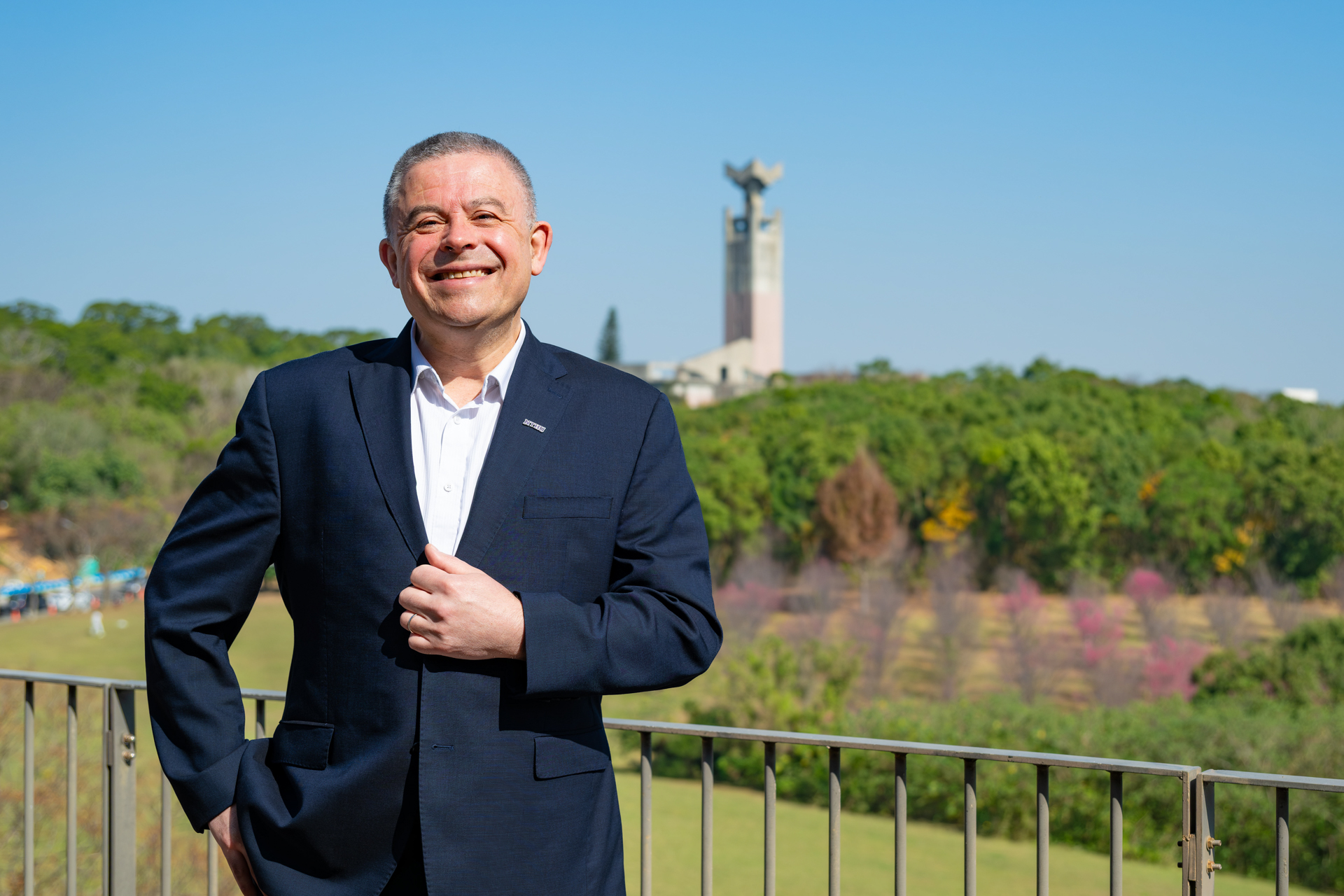
That instinct has shaped his career as a scholar of global political economy and East Asian international relations. Today, it also shapes his leadership as the inaugural dean of the Taipei School of Economics and Political Science (TSE) at National Tsing Hua University.
“If you look at the long history of humanity, conflict has often been the natural state,” Tiberghien says. “Civilizations prosper, but many collapse because of internal rivalry and instability. The challenge of global order is how societies organize themselves to avoid repeating those cycles.”
The question sits at the center of his academic work. But colleagues say it also reflects something more personal: a habit of thinking about the broader patterns beneath immediate events.
Curiosity That Crossed Continents
Tiberghien did not originally set out with a conventional academic plan. Raised in Brittany in western France, he grew up far from the centers of global politics that would later shape his career. Yet from an early age he was drawn to the wider world—particularly to Asia.
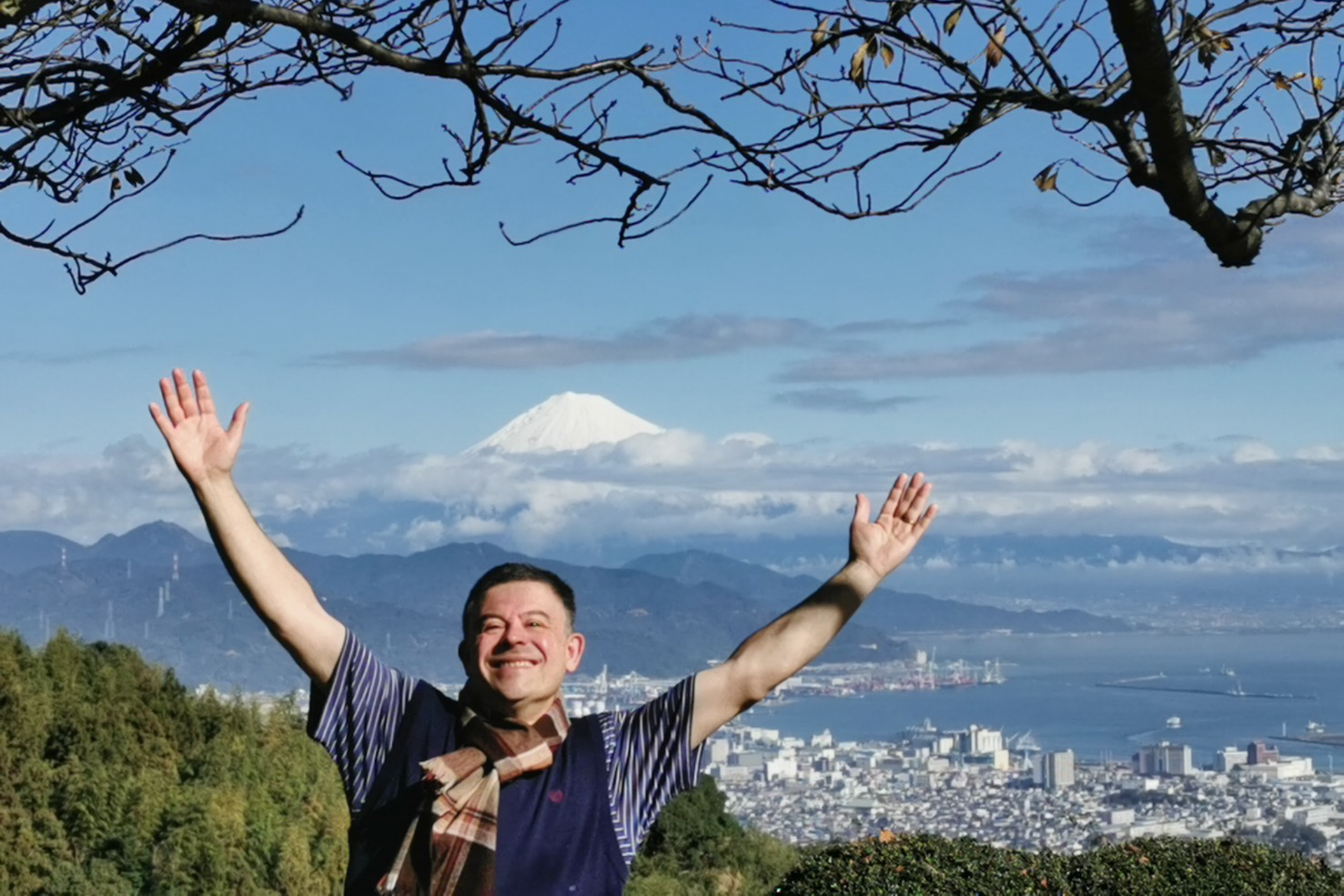
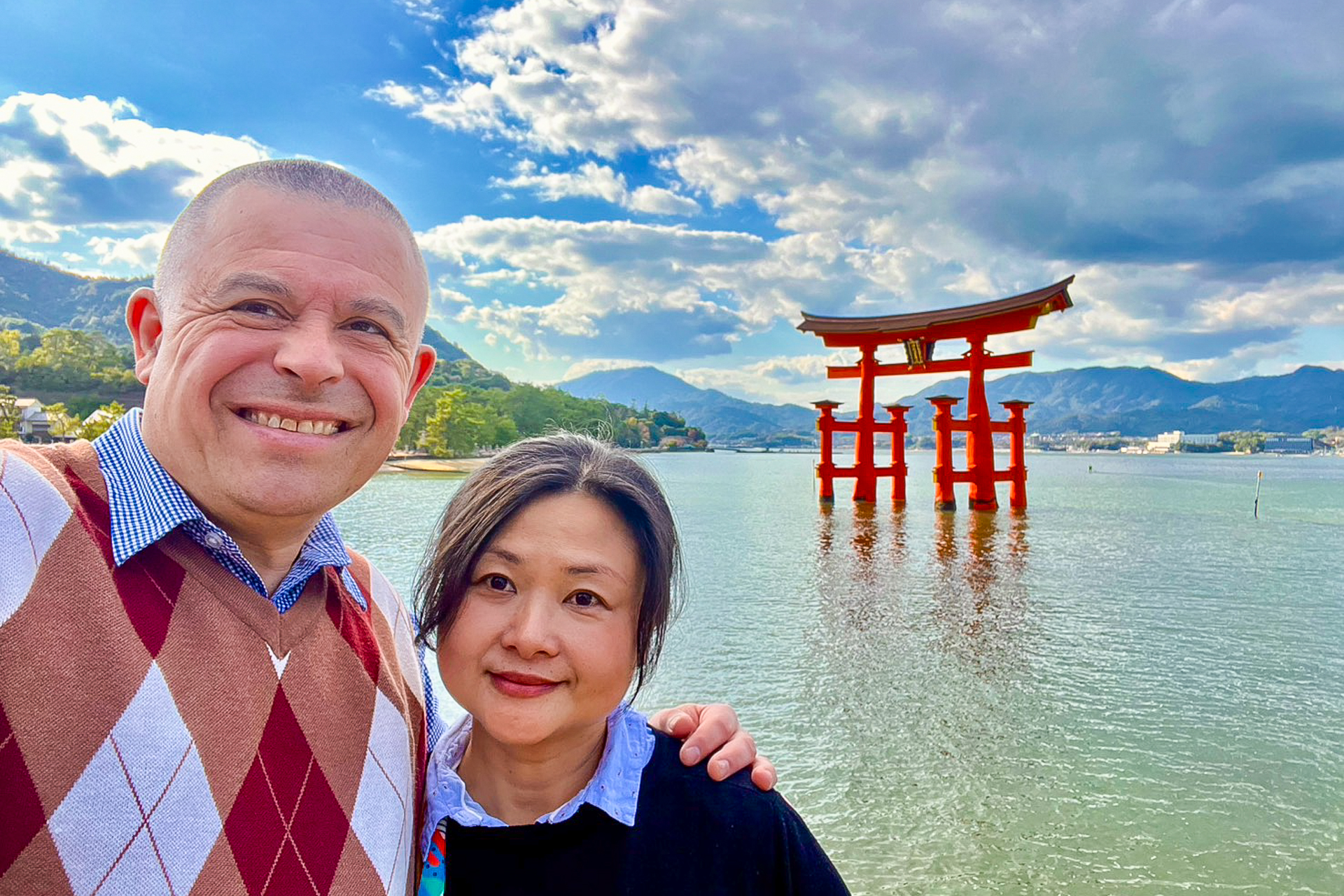
As a teenager, he followed international news closely and read widely about historical connections between civilizations. By his early twenties, that curiosity had turned into action. At 21, he moved to Japan, where he spent several formative years working and studying before traveling extensively across Asia.
Those experiences expanded both his intellectual and cultural horizons. Living abroad exposed him to different ways societies think about authority, responsibility, and cooperation.
“I became fascinated by how different cultures approach the same fundamental questions about how societies function,” he says. “What matters in life, how communities organize themselves, how people relate to each other.”
The experience would ultimately steer him toward the study of East Asian political economy and international governance, fields that allowed him to examine how national systems interact on a global scale.
A Scholar of a Changing Region
Much of Tiberghien’s research focuses on the Indo-Pacific, a region that has become increasingly central to global economic and political change. From technological innovation to trade networks, the region now plays a decisive role in shaping the international system.
“The Indo-Pacific has become the engine of global change,” he says. “A large share of the world’s economic growth and technological innovation is happening there.”
For scholars of global governance, the shift carries significant implications. Institutions that were designed in the aftermath of World War II are now adapting to a more complex distribution of power, with Asian economies playing a larger role in shaping global rules.
Tiberghien’s work examines precisely these transitions—how institutions evolve and how countries navigate the tension between cooperation and competition.
But colleagues say what distinguishes him is not only his academic focus, but also the breadth of perspective he brings to it. Having lived and worked across multiple regions, he often approaches global questions through a comparative lens, drawing insights from different political and cultural traditions.

Taiwan Through a Social Scientist’s Lens
Since arriving in Taiwan, Tiberghien has developed a particular interest in the island’s social dynamics. Observers frequently highlight Taiwan’s technological achievements, especially its central role in the global semiconductor industry. Yet Tiberghien often points to something less visible.
“What stands out about Taiwan is that despite political disagreements, there remains a strong level of trust within society,” he says. “That kind of social cohesion is actually quite rare globally.”
For a scholar who studies governance, such trust matters. It shapes how institutions function and how societies respond to change.
Taiwan’s transformation over recent decades—from a developing economy to a central player in global technology supply chains—reflects not only industrial policy but also a broader capacity for coordination between government, industry, and academia.
That ecosystem is one of the reasons Tiberghien believes Taiwan offers an unusually rich environment for studying the intersection of economics, politics, and technological development.
Building an Intellectual Platform at Tsing Hua
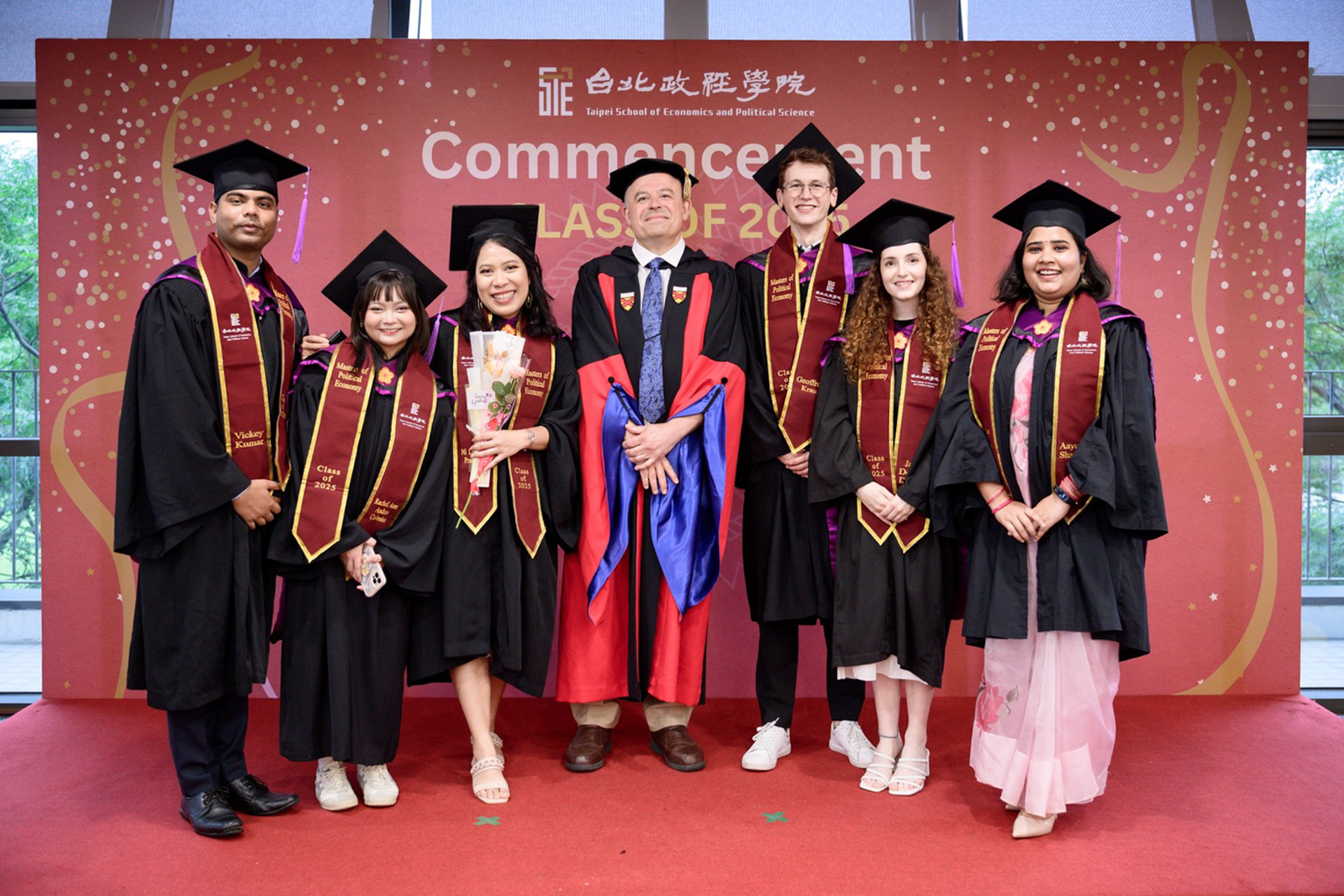
At National Tsing Hua University, Tiberghien now leads the Taipei School of Economics and Political Science, an institution created to examine precisely those intersections.
TSE was established to bring together scholars from economics, political science, and public policy to study the forces reshaping global systems—from technological transformation to geopolitical competition.
“We are entering an era of major transformation—technological, economic, and geopolitical,” Tiberghien says. “The goal of TSE is to understand these changes and contribute ideas about how societies can manage them.”
The role requires balancing scholarship with institution-building. As dean, Tiberghien works not only to guide research but also to shape the school’s intellectual direction and international partnerships.
Colleagues say his leadership style reflects the same curiosity that shaped his academic path—encouraging interdisciplinary thinking and open debate while maintaining a clear sense of the school’s broader mission.
Teaching in an Uncertain Era
For Tiberghien, universities ultimately exist not just to produce research but to cultivate people capable of navigating complex global challenges.
His approach to teaching emphasizes intellectual independence. Students, he believes, should develop their own analytical frameworks rather than simply adopting existing theories.
“Every student has a form of genius within them,” he says. “A great university helps them discover it rather than asking them to simply follow a predetermined path.”
That philosophy has particular relevance at a time when artificial intelligence, geopolitical competition, and environmental pressures are reshaping the global landscape.
Preparing students for such a future, Tiberghien suggests, requires more than technical expertise. It requires curiosity, adaptability, and the ability to see connections across disciplines.
For someone whose own career has crossed continents and intellectual traditions, those qualities remain central—not only to understanding the world, but to helping shape its future.
Additional Information
- Established through a collaboration between National Tsing Hua University and the Taipei School of Economics and Political Science Foundation (TSEF), led by Chairman Huang Huang-Hsiung, the Taipei School of Economics and Political Science is dedicated to advancing Asian-focused political economy. Guided by the shared vision and continued support of NTHU leadership and TSEF, TSE has grown into a leading hub for Asian public affairs and policy studies. Building on the groundwork laid by former acting deans Yun-han Chu, Tain-Jy Chen, and Chao-Hsi Huang, TSE continues to expand its impact in research, education, and policy engagement across Asia.