Takaaki Kajita:
Exploring the Frontiers of Fundamental Physics
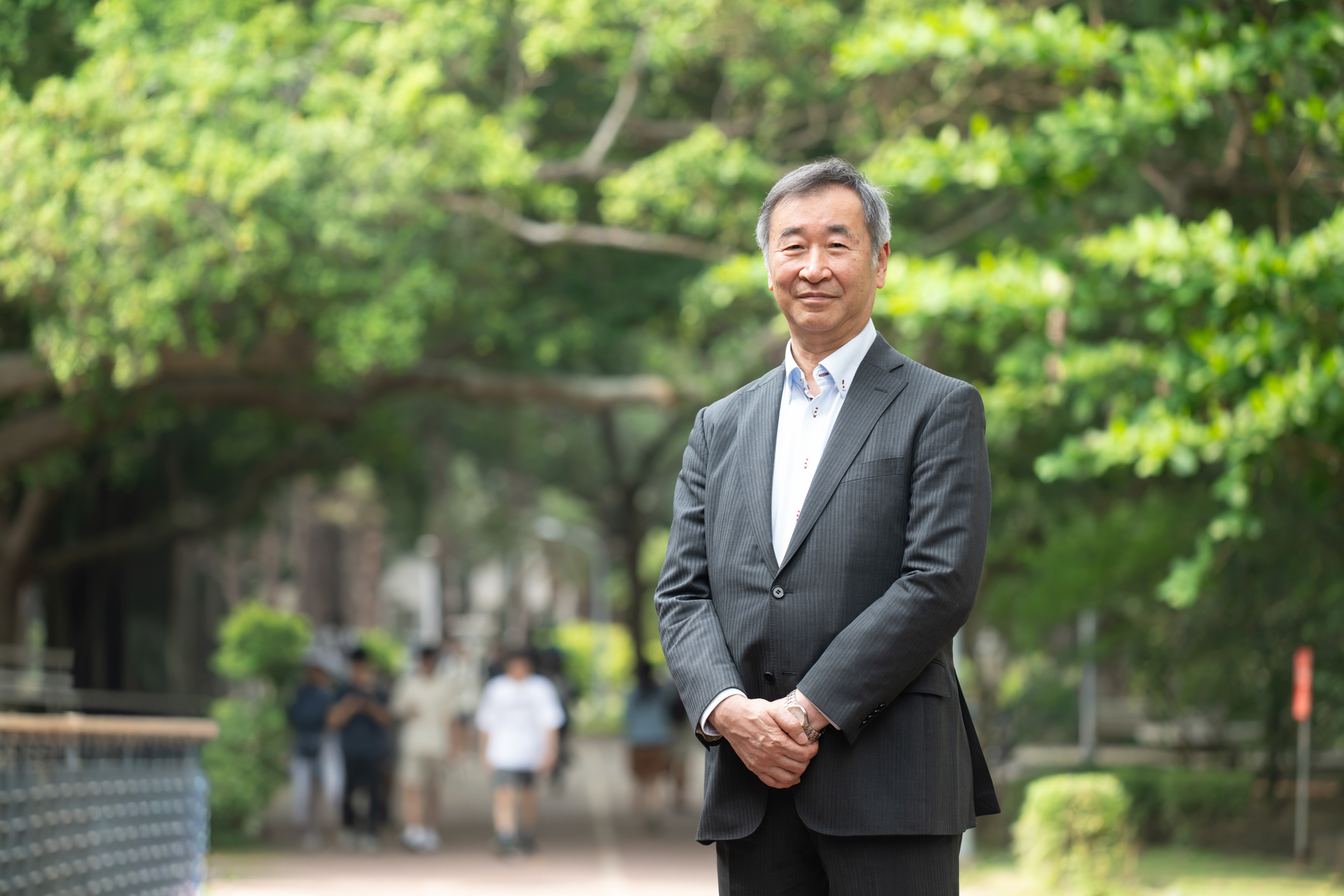
From Proton Decay to Neutrino Oscillations
Early in his research career, Takaaki Kajita focused on proton decay. After completing his Ph.D., he worked to improve several analysis programs designed to distinguish proton-decay events from background signals produced by atmospheric neutrinos.
One of these programs, known as “particle identification,” was used to determine whether a Cherenkov ring had been produced by a muon or an electron. While testing the software with atmospheric neutrino events recorded by the Kamiokande experiment, Kajita noticed that the analysis indicated far fewer muon neutrinos than expected. This observation marked the point at which he shifted his research from proton decay to neutrino studies.
The subsequent investigation provided evidence of atmospheric neutrino oscillations. Kajita recalls a night in the summer of 1997 when his team produced a zenith-angle distribution of muon neutrinos using a fully automated analysis for the first time. The number of down-going muon neutrinos was consistent with expectations, but the number of muon neutrinos observed overall was about half the expected amount.
The finding provided an indication of physics beyond the standard model. As Kajita explained, accounting for the extremely small mass of neutrinos requires a special mechanism, such as the seesaw mechanism, which typically involves a much higher energy scale than particle physics had previously explored. The discovery of neutrino oscillations, demonstrating that neutrinos have mass, later earned him the Nobel Prize in Physics.
Lessons from His Mentors
Two figures played important roles in Kajita's early research career: Nobel laureate Masatoshi Koshiba and Professor Yoji Totsuka.
Kajita learned from Koshiba that scientists should always maintain several “seeds” of new and interesting research. From both Koshiba and Totsuka, he learned the importance of leadership in scientific research, particularly in large collaborative projects.
These principles have informed Kajita's involvement in major international research initiatives, including KAGRA, Japan's gravitational-wave research project. Such projects require expertise from many scientists and close cooperation among research teams.
A Longstanding Collaboration with NTHU
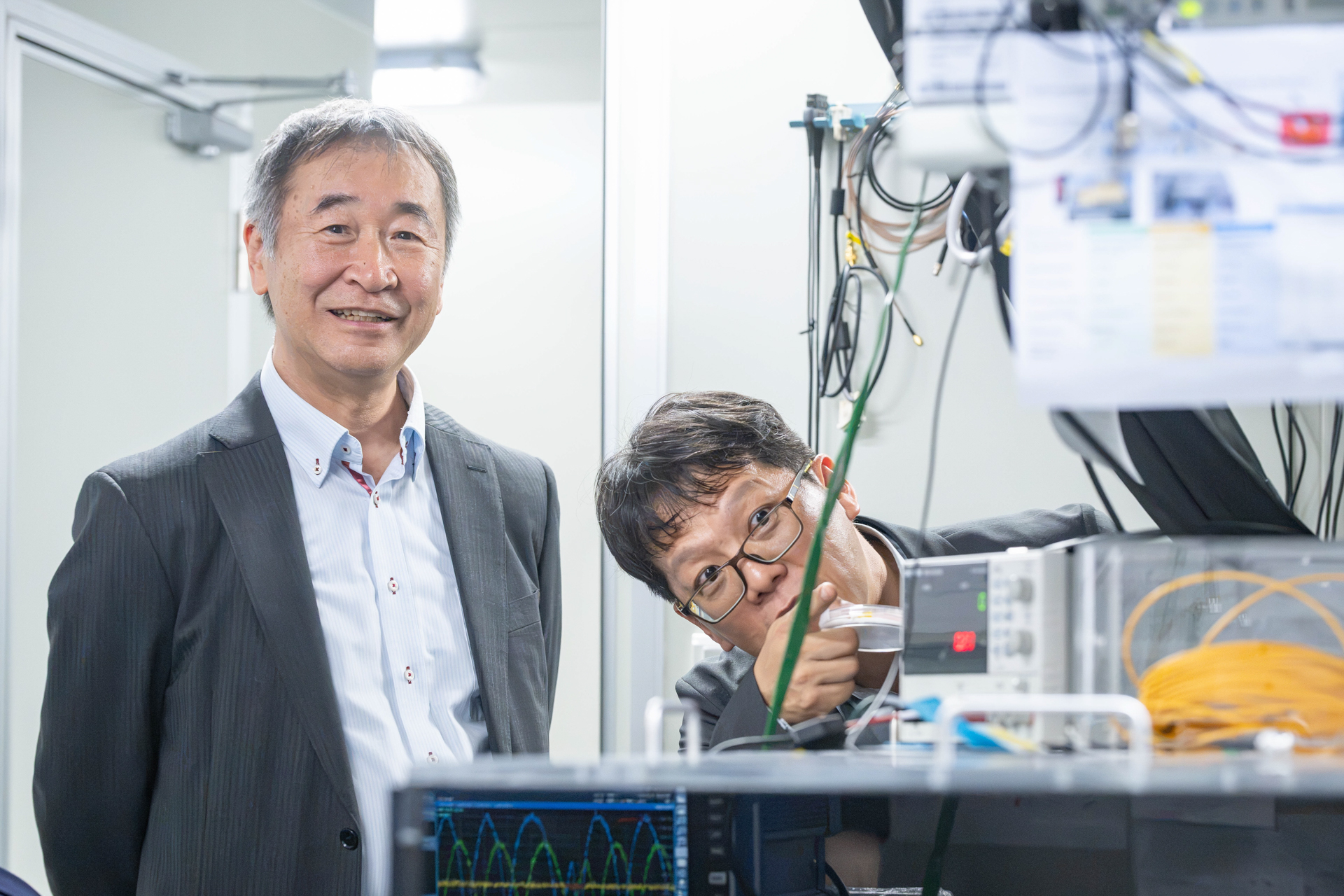
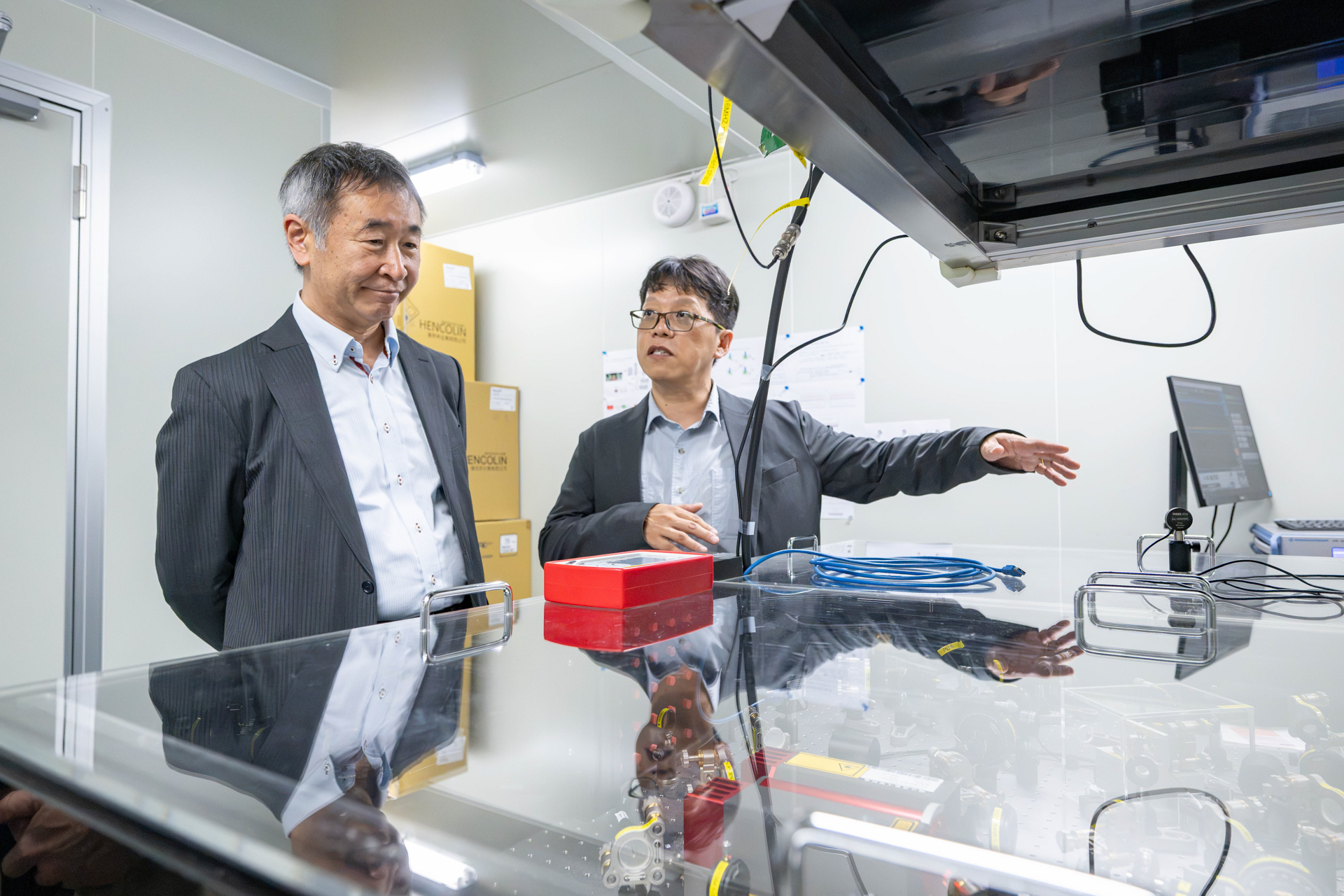
Kajita first visited National Tsing Hua University (NTHU) in May 2011, after attending the 2011 Scientific Assembly of the Astronomical Society of the Republic of China in Kaohsiung. Invited by Professor Hsiang-Kuang Chang, he gave a talk at NTHU introducing KAGRA and invited colleagues from Taiwan to participate in the project.
From the beginning, Kajita envisioned KAGRA as an international collaboration primarily involving researchers from East Asian countries and regions. He therefore sought close cooperation with colleagues at NTHU and elsewhere in Taiwan. He describes the current state of collaboration with NTHU and Taiwanese researchers as strong and successful.
The NTHU group has helped make significant improvements in KAGRA's laser interferometer and to data analysis. Professor Ray-Kuang Lee leads the project's squeezing subgroup, while Professor Albert Kong not only heads the burst data analysis working group, but also plays an important role in analyses of LIGO-Virgo-KAGRA data. Kajita considers the NTHU group an important collaborator in KAGRA and welcomes further contributions from Taiwanese researchers and students.
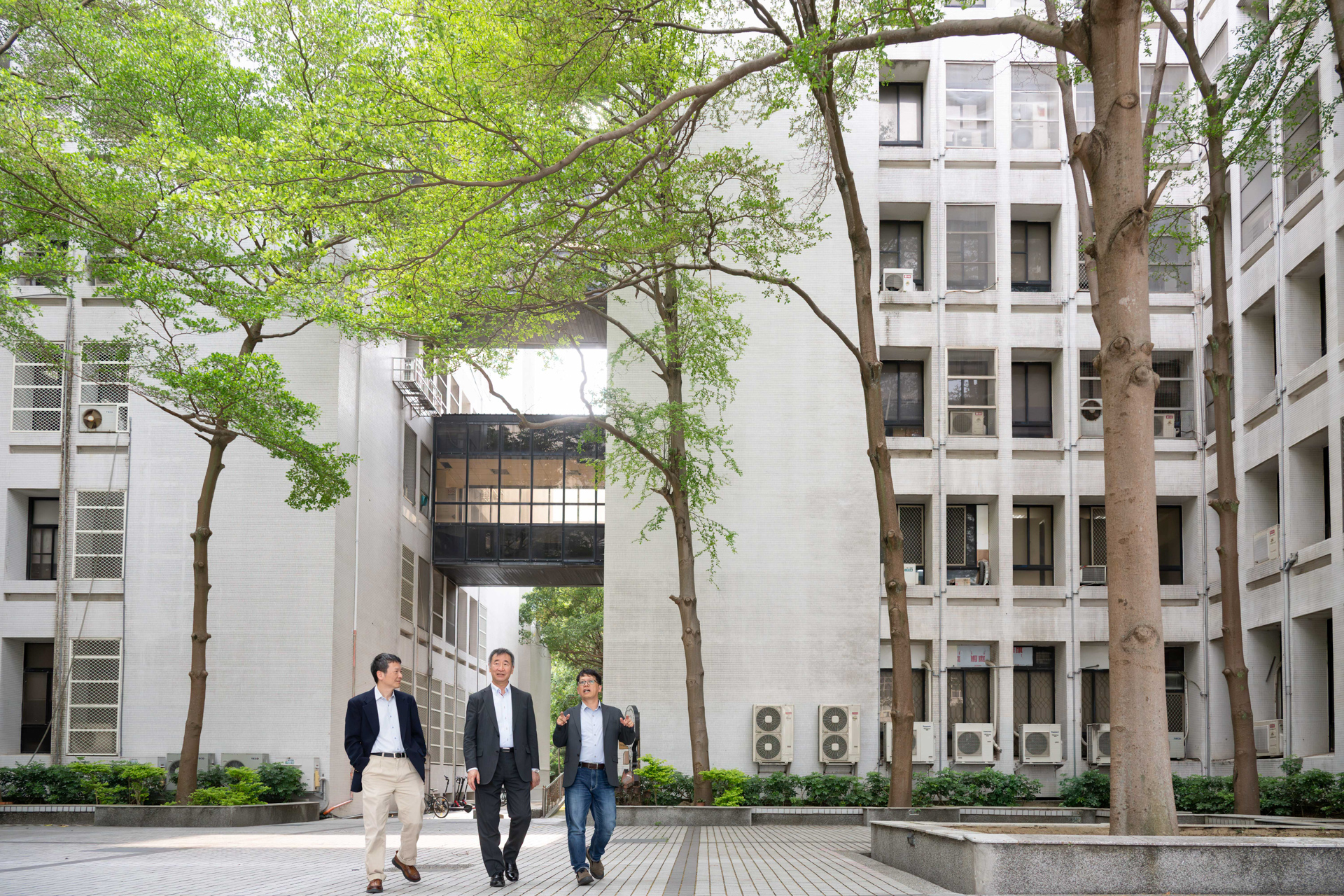
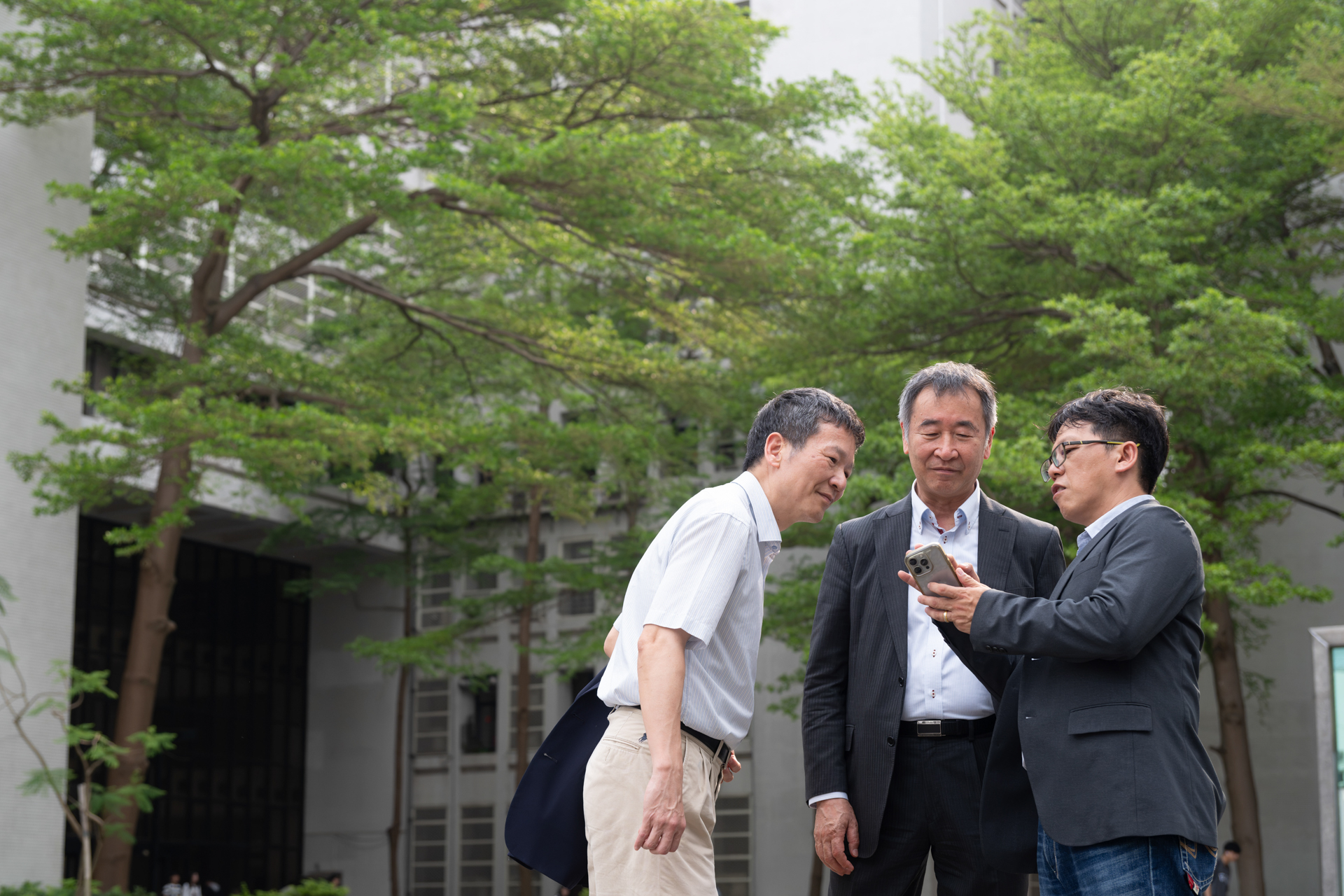
Kajita’s relationship with NTHU has also developed through his appointment as a Tsing Hua Honorary Chair Professor. Professor Ray-Kuang Lee sees the appointment as an opportunity to deepen long-standing academic exchanges between NTHU and the University of Tokyo and to expand cooperation into other areas of scientific research.
Kajita has also donated the fee associated with his appointment back to the university. Lee regards the contribution as a reflection of Kajita's commitment to academic education and his support for NTHU's research environment and talent development.
Lee also emphasizes the value of this partnership for students and young researchers. Beyond the exchange of academic findings, he believes that working with internationally renowned scholars such as Kajita provides an opportunity for the next generation of young scholars to understand the long-term commitment, continued exploration of the unknown, and cross-disciplinary cooperation involved in significant scientific discoveries. The collaboration can also give NTHU students and young scholars more opportunities to work with Nobel laureates and participate in large-scale international research projects.
Looking ahead, Kajita hopes to see cooperation between NTHU and the University of Tokyo extend beyond KAGRA. The University of Tokyo's Institute for Cosmic Ray Research (ICRR), he noted, is involved in various large scientific projects in cosmic rays and astroparticle physics. He believes that collaboration between ICRR and NTHU in these areas would be valuable.
Questions at the Frontiers of Physics
Kajita continues to research several fundamental questions concerning cosmic rays and astroparticle physics. These include the nature of dark matter and dark energy, the origin of massive black holes, whether neutrinos are Majorana particles, the origin of matter in the universe, and the lifetime of the proton. He hopes these questions can be answered in the near future.
One experiment he highlighted is Hyper-Kamiokande, which aims to provide initial data for understanding the origin of matter in the universe through studies of the oscillations of neutrinos and anti-neutrinos; it may also offer the possibility of discovering proton decay.
Kajita is also looking ahead to the next decade of KAGRA research. The project aims to significantly improve its sensitivity in the high-frequency range of the kilohertz band. With this improvement, researchers hope to understand neutron stars much better through observations of binary neutron-star mergers.
For young students considering a future in research, Kajita offers a straightforward piece of advice: significant scientific results take time, and the time invested is well worth it.