NTHU Opens New College of Education Building to Advance Teaching and Research
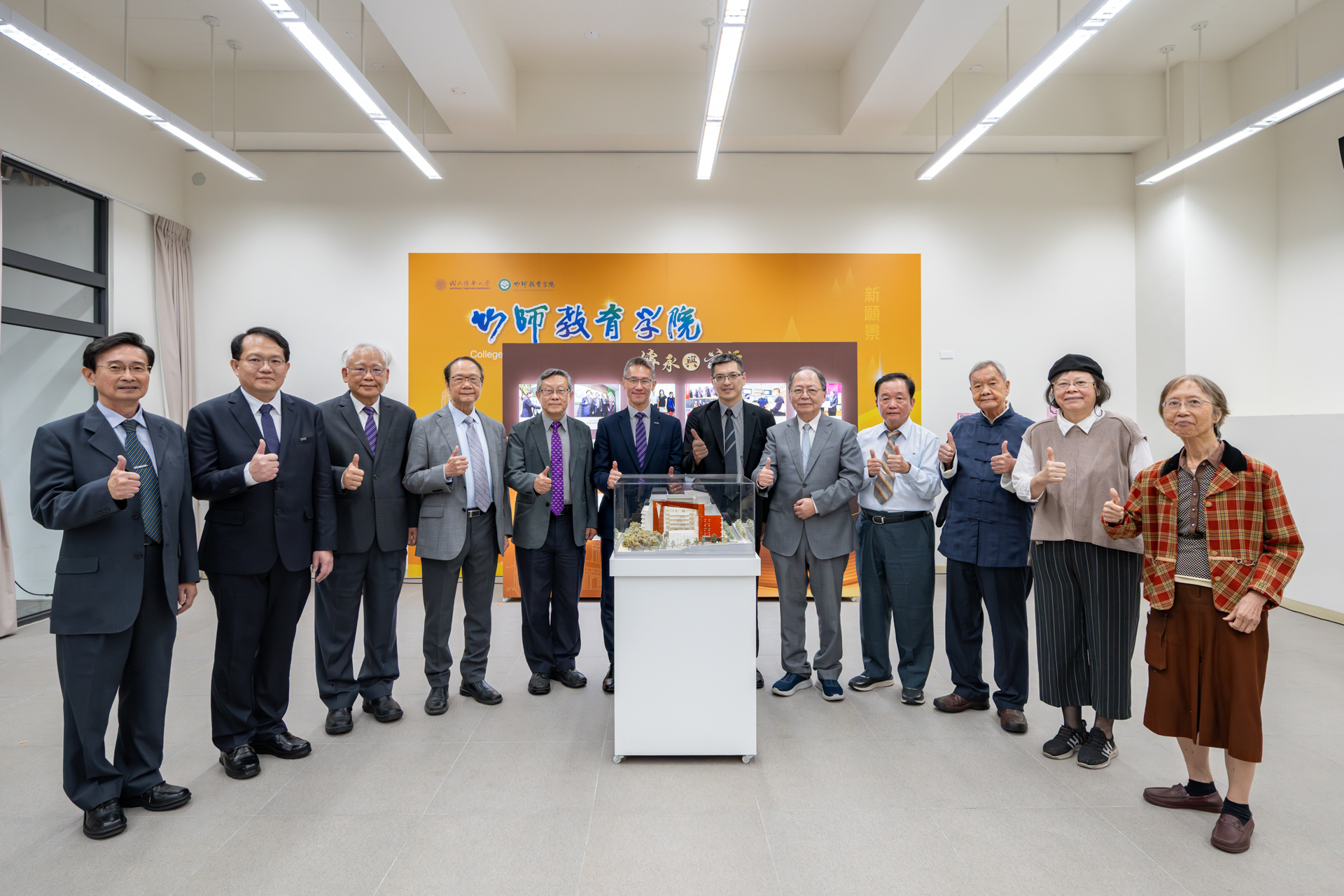
The inauguration ceremony for NTHU's new College of Education building brought together faculty, students, alumni, and guests from across Taiwan.
The College of Education at National Tsing Hua University (NTHU) in Taiwan officially opened its new building on October 21. Seven departments, three graduate institutes, and one undergraduate program—comprising nearly 2,000 faculty members and students—have moved from the Nanda Campus to the Guangfu Campus, marking the end of nine years of split teaching and administration since the merger. The 10-story building—eight floors above ground and two below, covering about 26,400 square meters—integrates classrooms, administrative offices, and communal spaces, bringing the entire college together for the first time and ushering in a new chapter in NTHU's integration of education and research.
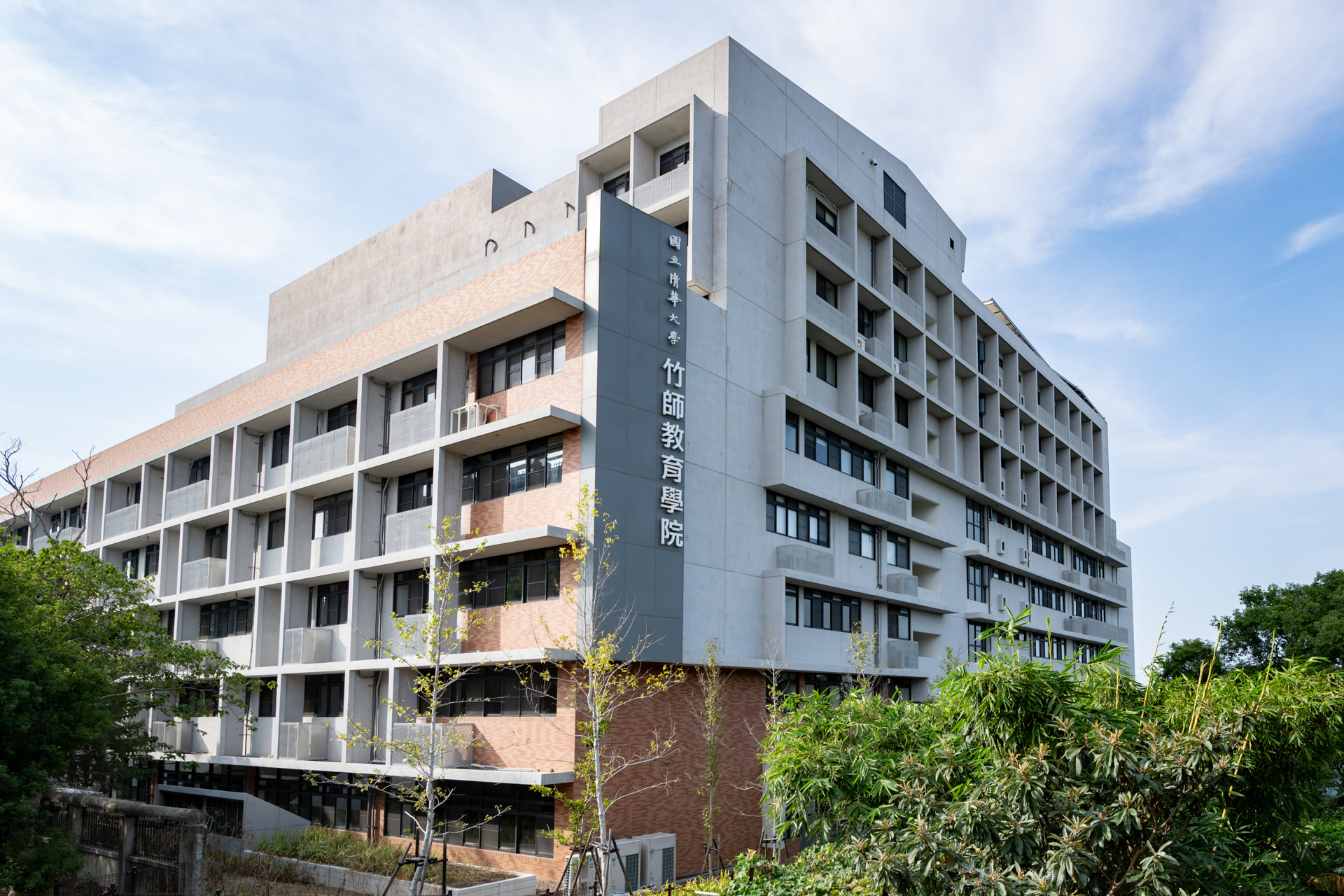
The new College of Education building—eight floors above ground and two below—is located on the southeastern side of NTHU's main campus and features an open, light-filled design.
“In this rapidly changing era, the most important thing is talent,” said NTHU president W. John Kao at the inauguration ceremony. He emphasized that the event not only commemorated the opening of a new facility but also served as a reflection of Taiwan's progress in education. Kao expressed his hope that the new building would continue to nurture the talent society needs for the next 50, 80, or even 100 years.
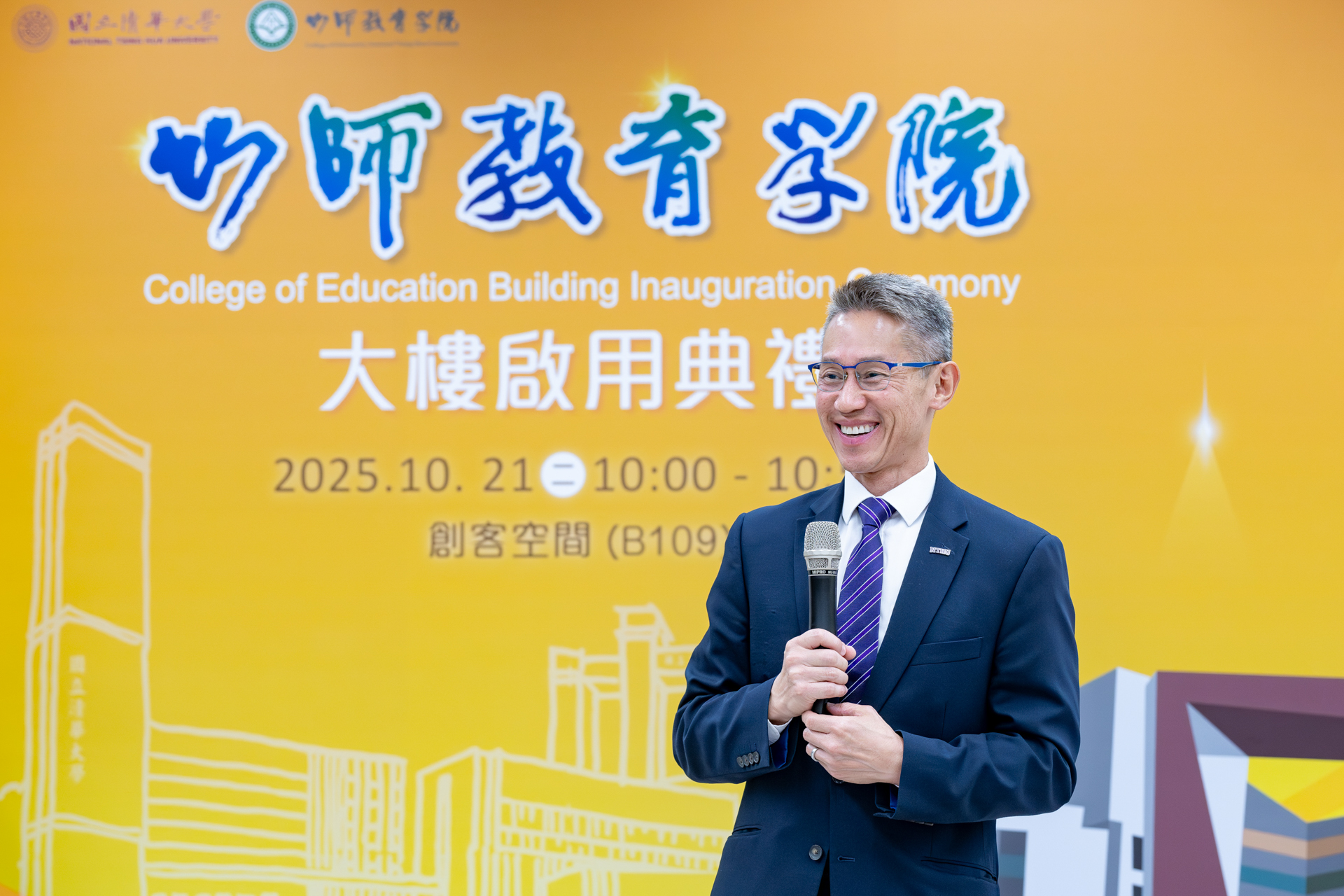
NTHU president W. John Kao encourages the College of Education to continue cultivating talent and making a global impact.
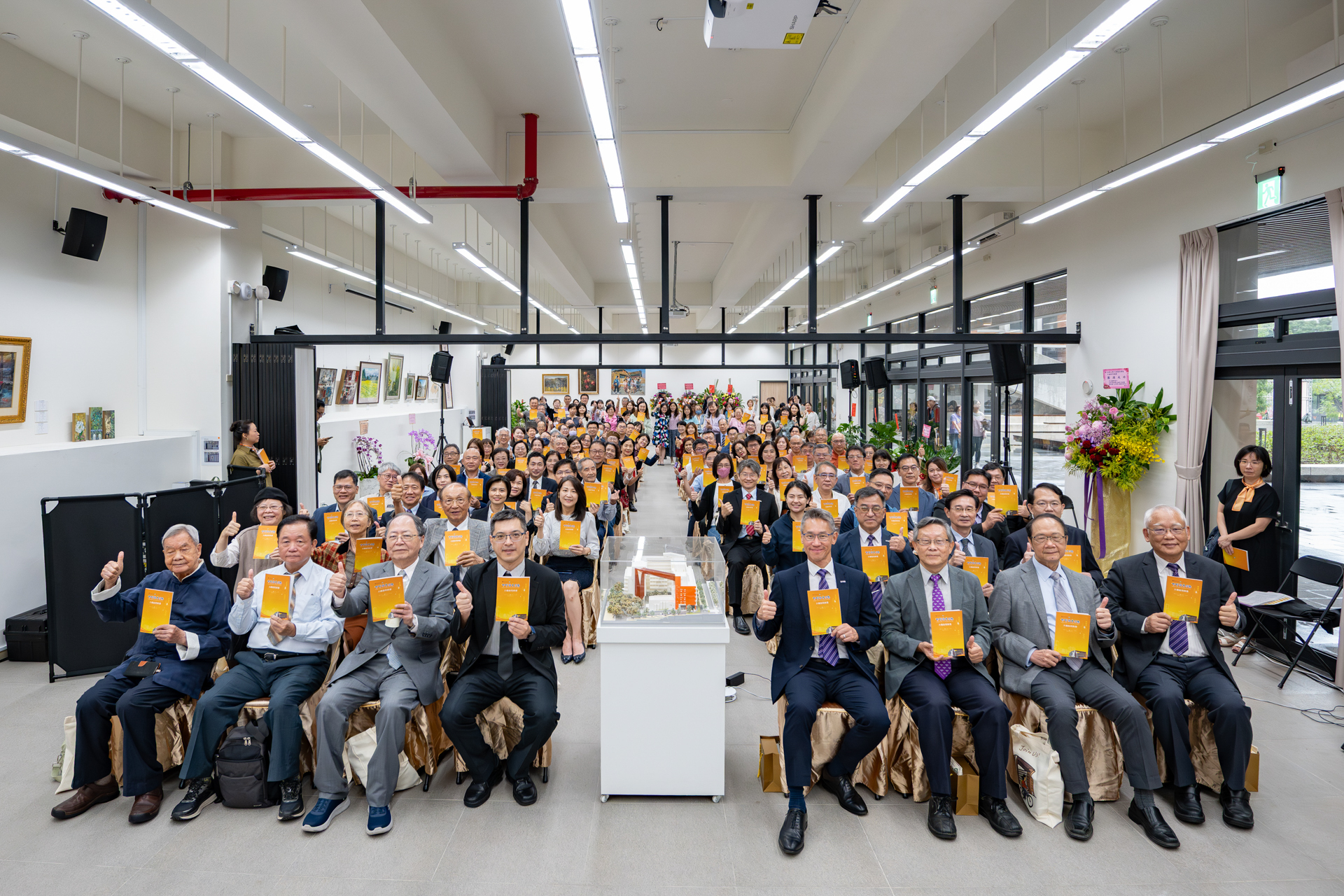
Faculty, students, alumni, and guests gathered to celebrate the inauguration of NTHU's new College of Education building.
Hsin-Yuan Tseng, deputy director-general of the Department of Higher Education at the Ministry of Education (MOE), remarked that the new building exemplifies the integration of research and education within higher education and demonstrates the success of regional collaboration. Over the nine years since the merger, NTHU and NHUE have gradually achieved both institutional and cultural balance. “This new building brings together research depth and educational breadth on one campus, truly embodying the spirit of the merger,” he said.
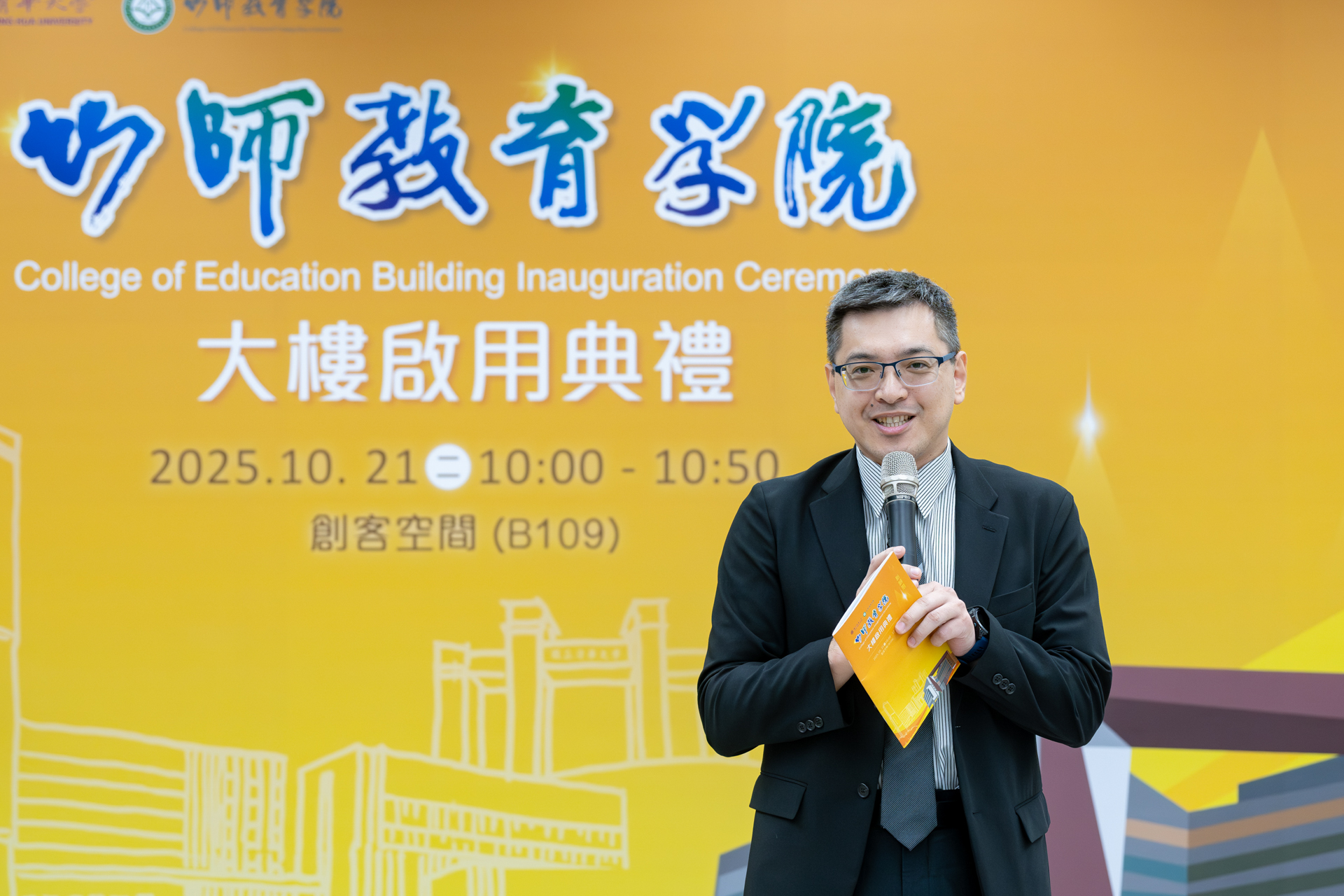
Deputy Director-General Hsin-Yuan Tseng of the Ministry of Education (MOE) attended the event and commended NTHU for balancing research and education.
Former NHUE president Hsieng-Cheng Tseng and former NTHU president Hong Hocheng also attended the ceremony. They reflected on the merger process and thanked the Ministry of Education and faculty members for their wisdom and perseverance. “A better environment will help attract more outstanding teachers and students,” Tseng noted.
Sweeten Real Estate Development chairman Xing-Shu Ke, an outstanding alumnus of the College of Education, recalled, “I graduated from National Hsinchu Teachers College in 1964, and I'm deeply moved to see that the name ‘Hsinchu Teachers' still endures.” He said that ‘Hsinchu Teachers' symbolizes the continuous lineage that links together National Hsinchu Teachers College, National Hsinchu University of Education, and NTHU's College of Education.
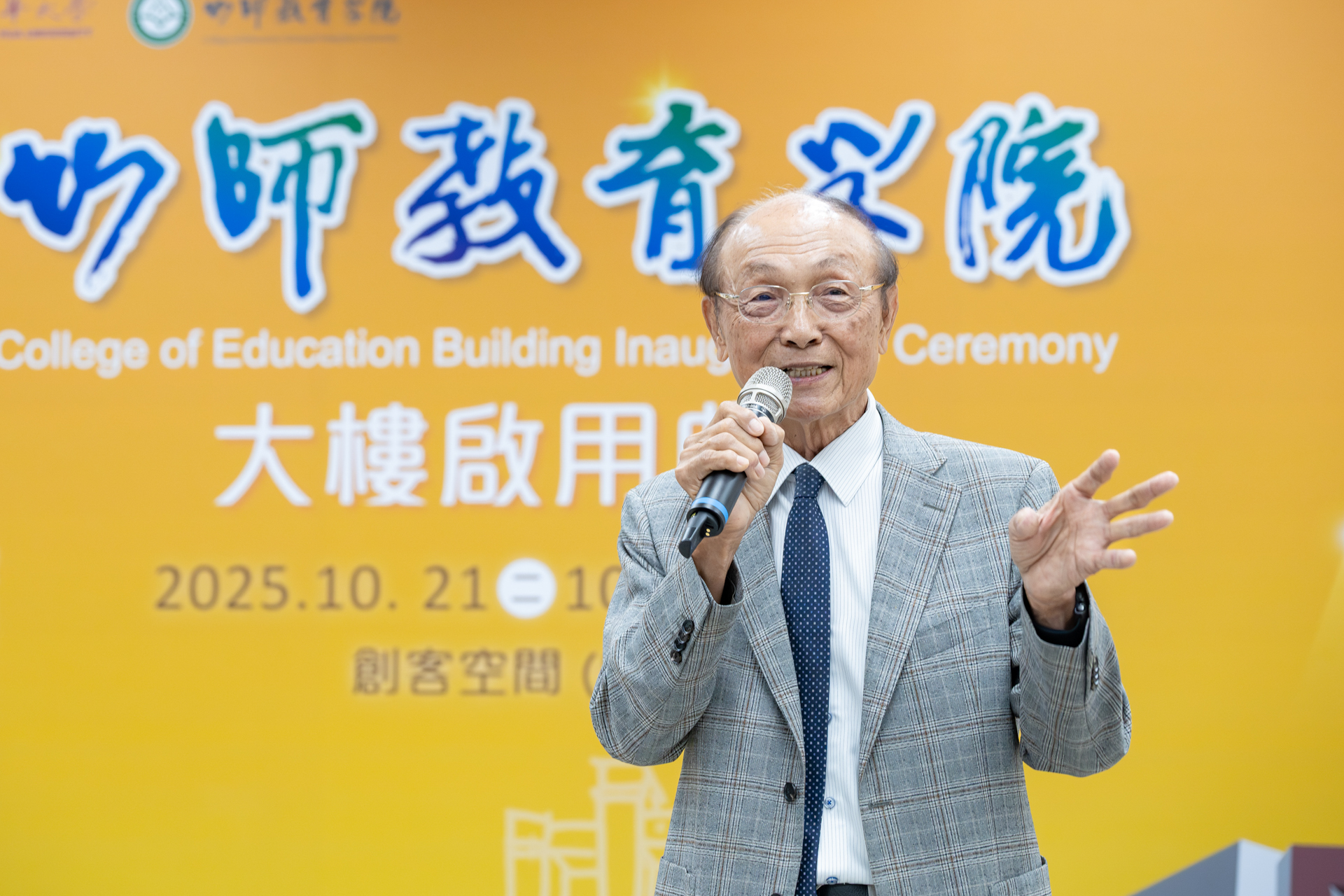
Sweeten Real Estate Development chairman Xing-Shu Ke, an outstanding alumnus, attended the opening ceremony.
A Space That Embodies Education: The “College Core” in Action
Dean Tzu-Hua Wang explained that the new building embodies the concept of the “College Core,” envisioned from the very start as a space to break down departmental barriers and foster interdisciplinary collaboration. The bright, open atrium extends learning into outdoor spaces, while areas such as the Makerspace, Storybook Classroom, Dance Studio, STEAM Classroom, and “Idea Hub”—a hybrid lounge and pantry—encourage interaction and creativity. “Learning doesn't only happen in classrooms; it happens naturally through interaction,” Wang said.
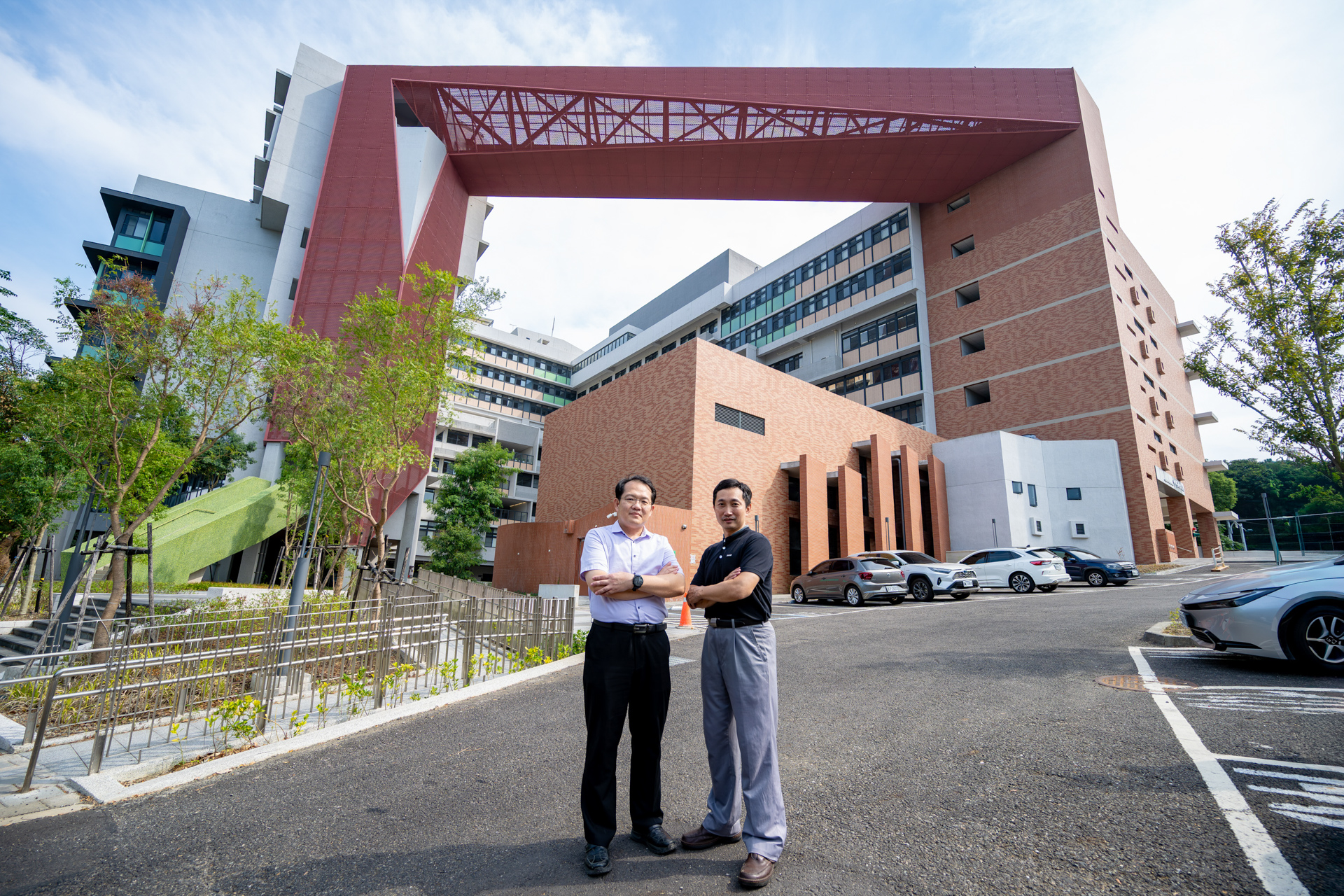
Dean Tzu-Hua Wang (left) and Associate Dean Chun-Min Wang in front of the new building. The red beam behind them symbolizes the “Gate of Virtue,” representing the passing down of educational values.
Governance Innovation: Collaboration as Daily Practice
Associate dean Chun-Min Wang noted that the building's layout reflects governance innovation under the “College Core” framework. Administrative staff now work together in a shared office, classrooms and meeting rooms are centrally managed, and faculty offices are distributed across different floors. “When your next-door colleague is from another department, discussion and collaboration happen much more easily,” he said.
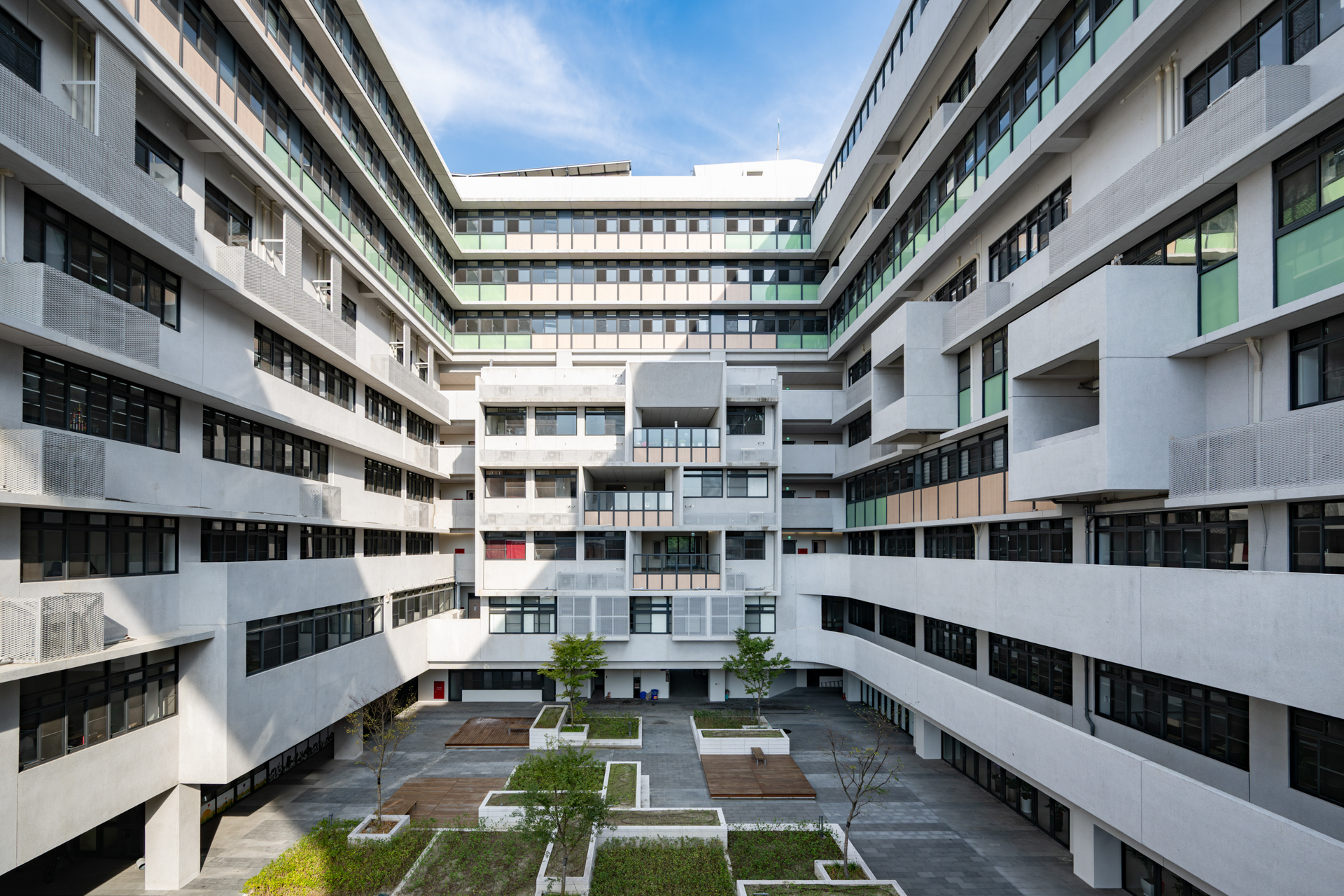
The new College of Education building integrates teaching, administrative, and communal spaces.
Assistant Professor Hsin-Hui Wang of the Institute of Mathematics and Science Education said that the new environment makes it much easier to transition between meetings and classes. “At the Nanda Campus, I often had to rush between several buildings, but now I can go straight from a meeting to a lecture.” She added that student participation in class has become much more dynamic: “In just one month, I've already seen more than a dozen group discussions.”
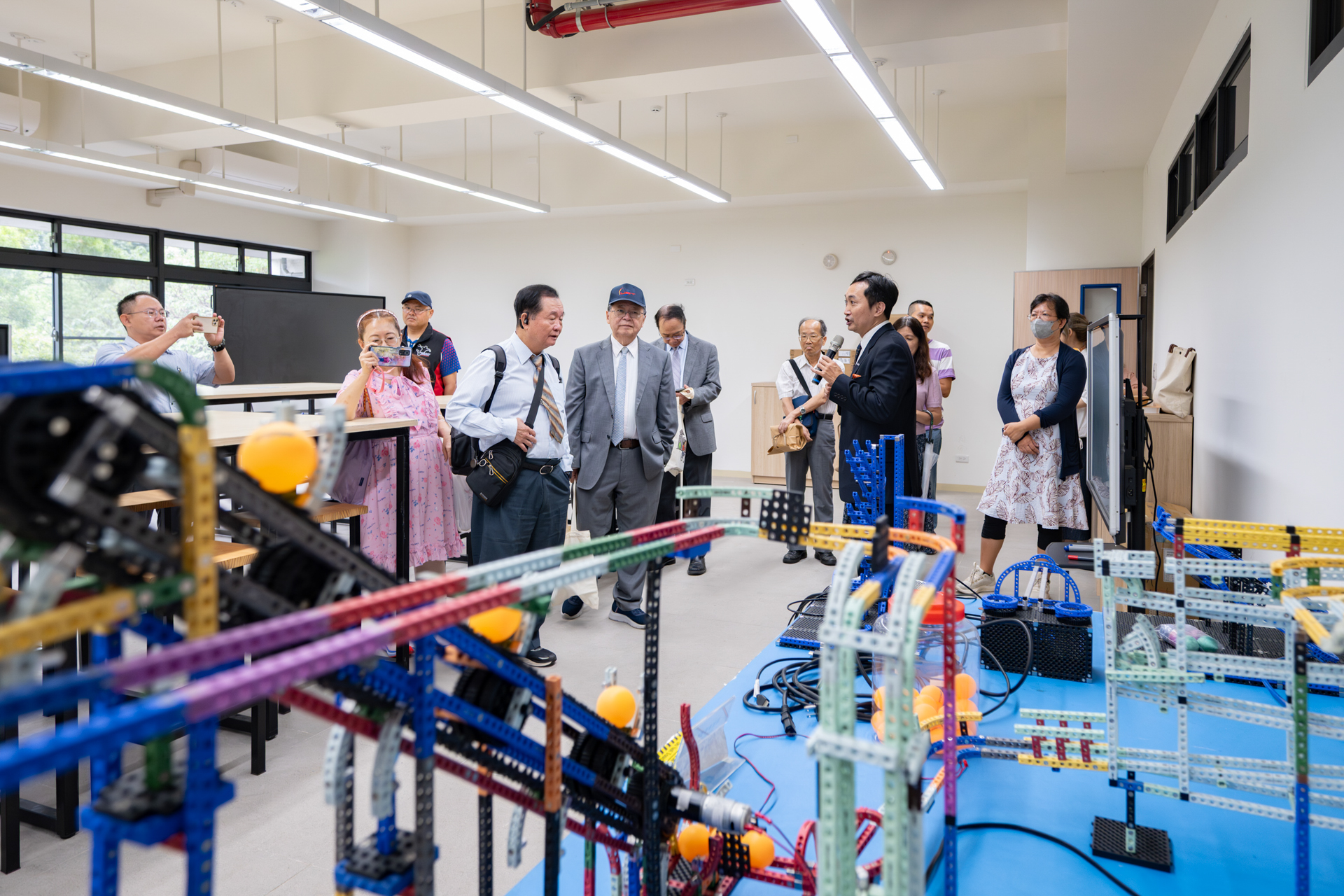
The STEAM classroom inside the new College of Education building.
Yi-Chi Li, a senior in the Department of Early Childhood Education, said that the new classrooms are bright and spacious, which helps her stay energized and engaged. “The lighting is great, so even after sitting all day, I don't feel tired,” she said.
Ming-Chun Hua, a senior in the Tsing Hua Interdisciplinary Program, said his favorite spot is the “Floor Classroom,” where the early evening sunlight streams in through the windows. “That moment makes education feel warm and full of life,” he said, adding that he looks forward to taking classes there.
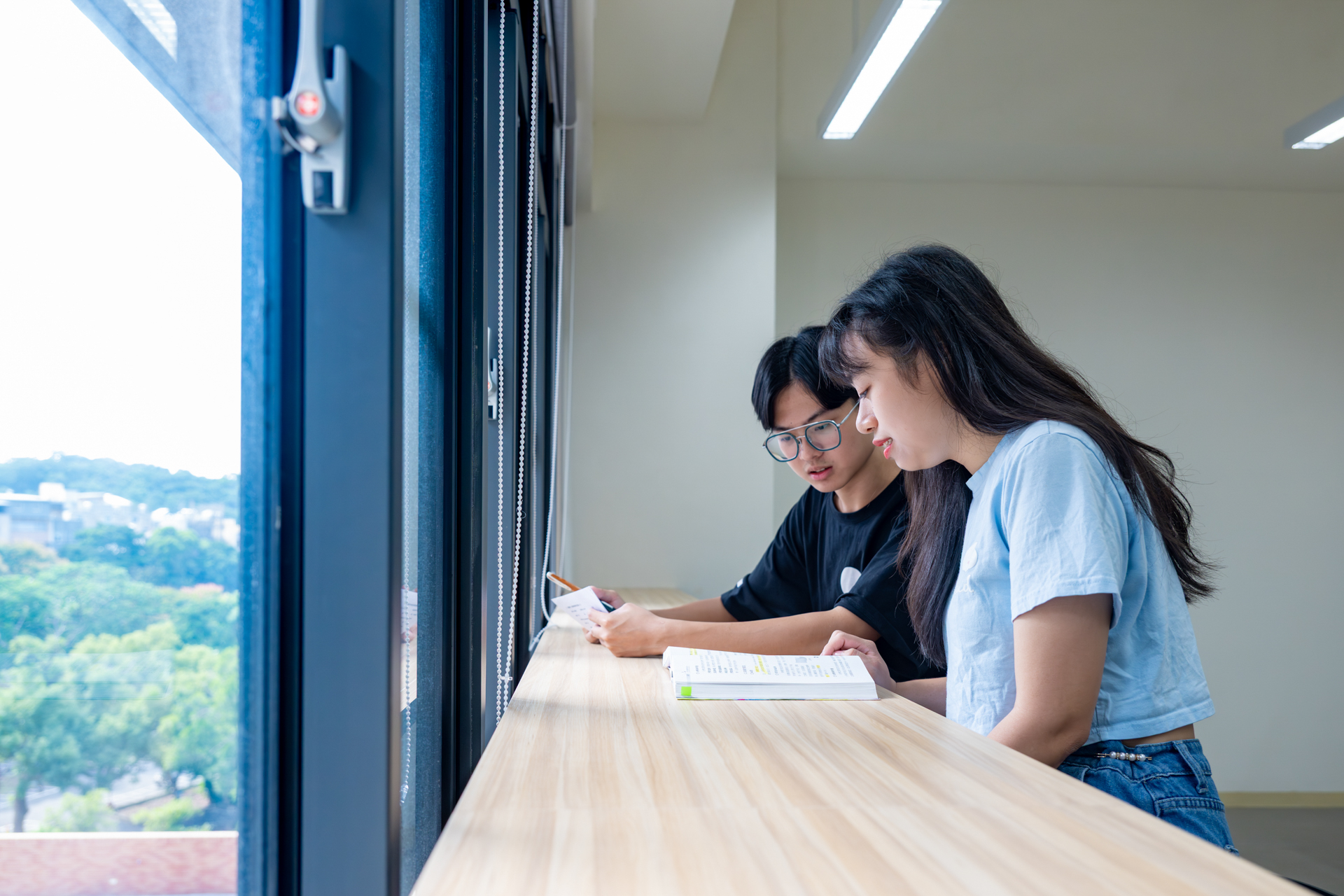
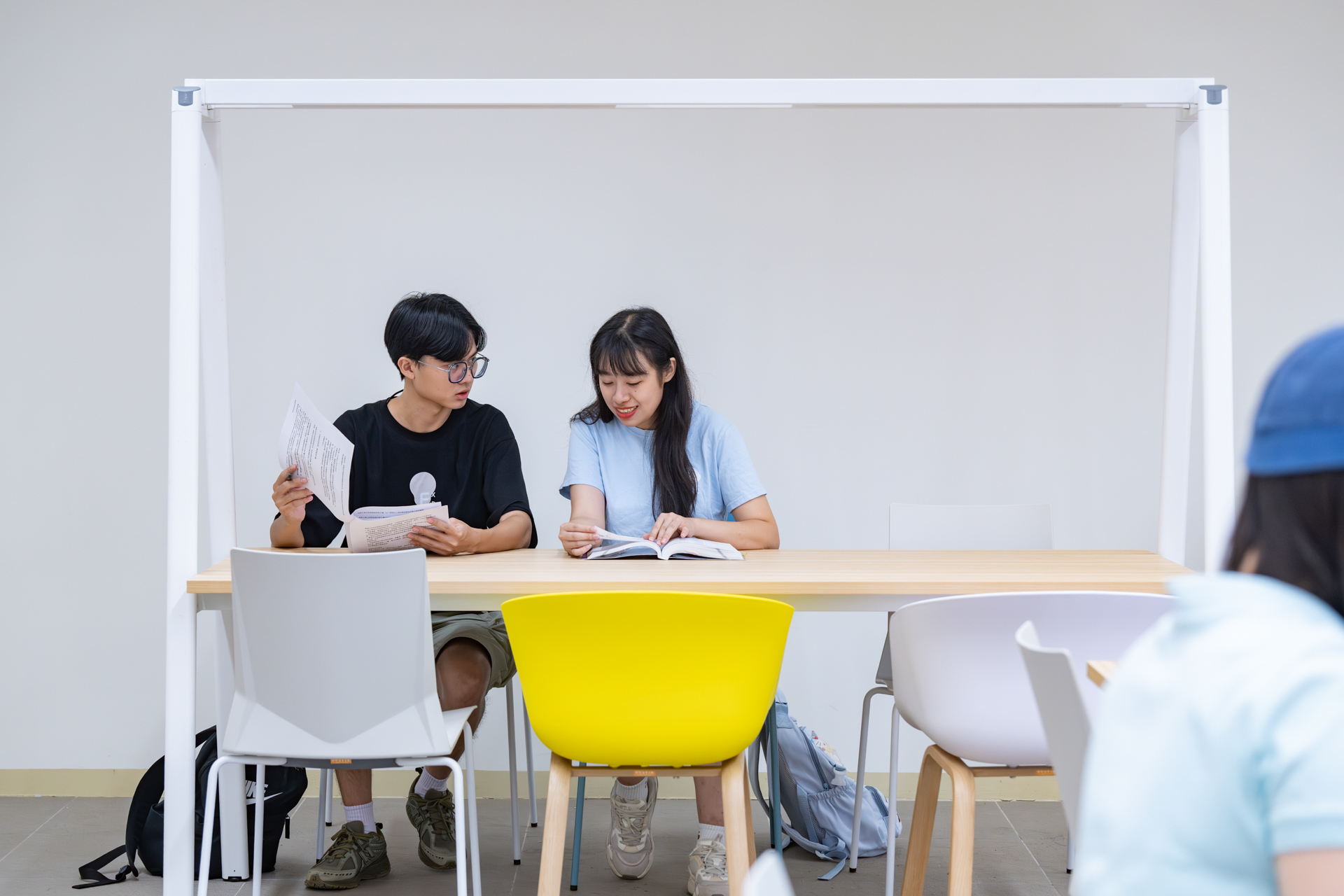
The STEAM classroom inside the new College of Education building.
Continuous Improvement for Long-Term Impact
Most teaching and administrative areas are now open, while some performance and communal spaces are still being completed. The college has issued space-use guidelines emphasizing safety and shared access and it will continue to review and adjust them under its “College Core” governance model. Dean Wang added that the college will regularly evaluate how the facilities are being used to ensure resources are fully utilized, providing long-term support for teaching and research.
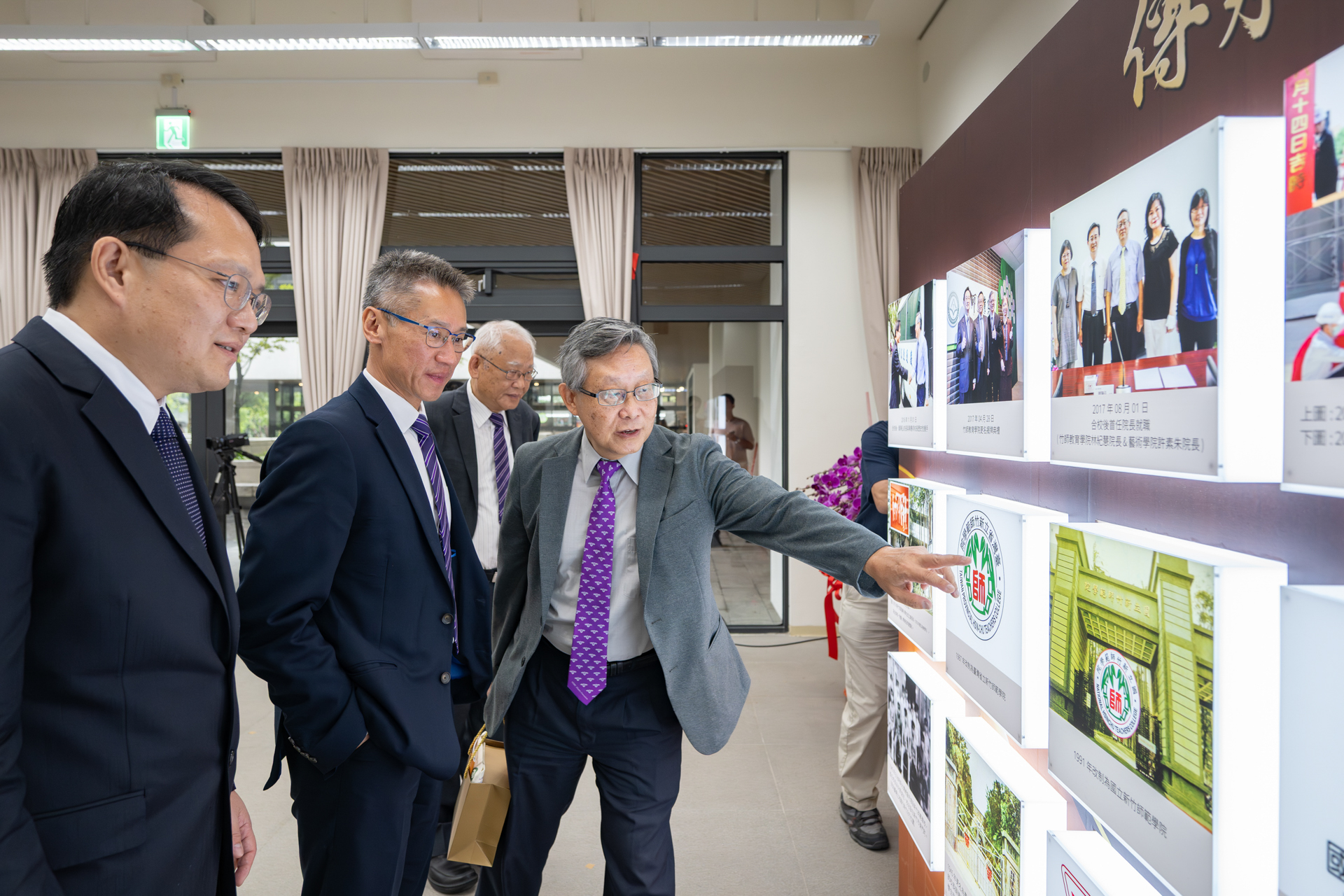
From left: College of Education dean Tzu-Hua Wang, NTHU president W. John Kao, Senior Vice President Nyan-Hwa Tai, and former NTHU president Hong Hocheng view a photo wall of the college's history.
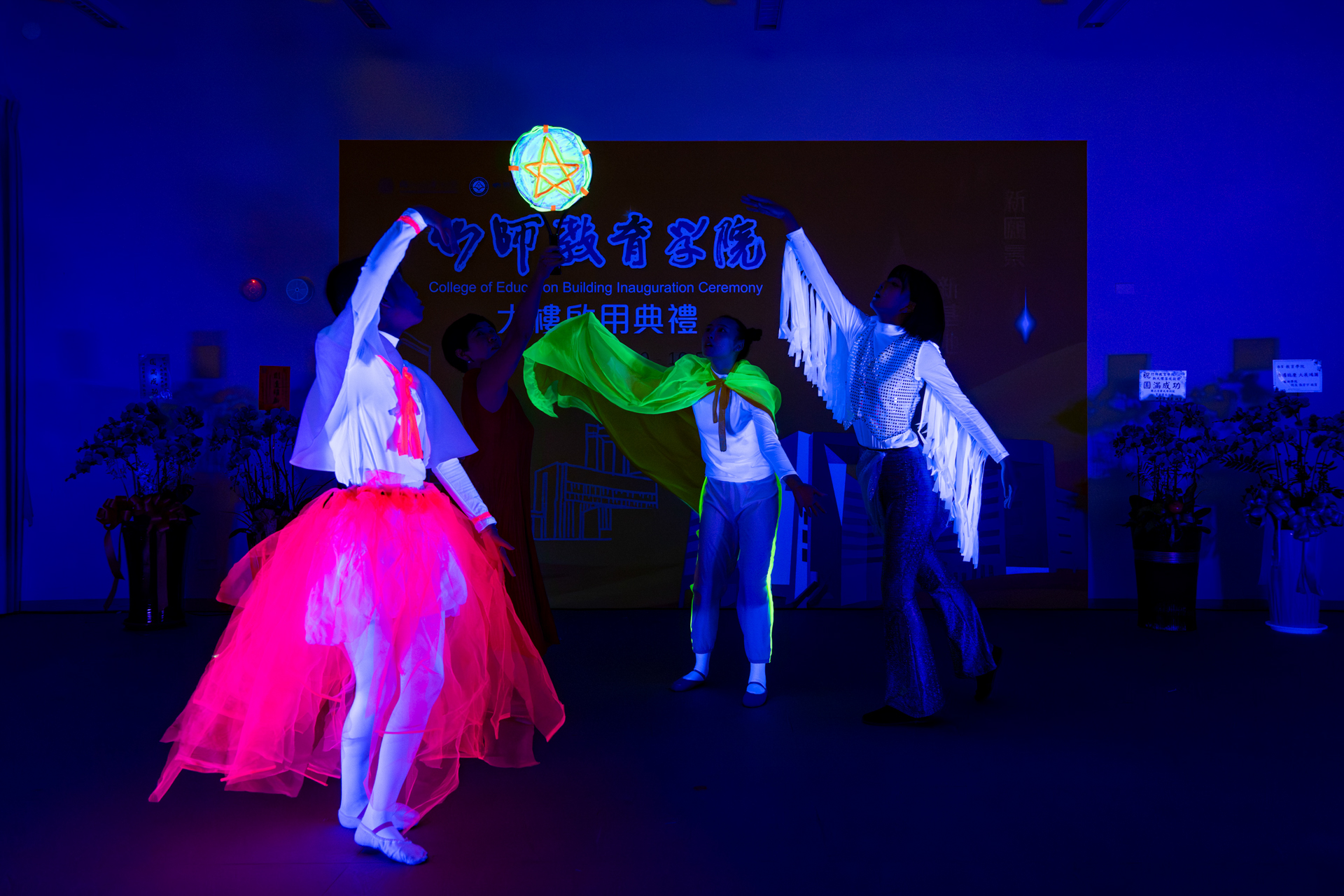
Students from the Department of Early Childhood Education presented a black light children's play under the guidance of Professor Shu-Ying Liu.